
In April 2026, the Middle East is no longer just tense. It is breaking apart, and the consequences are spreading far beyond the region. What began as political pressure has turned into a war that now reaches across borders. Lebanon, Gulf states, and Yemen are already caught inside it. This is no longer something distant. It is happening, and it is pulling the world with it.
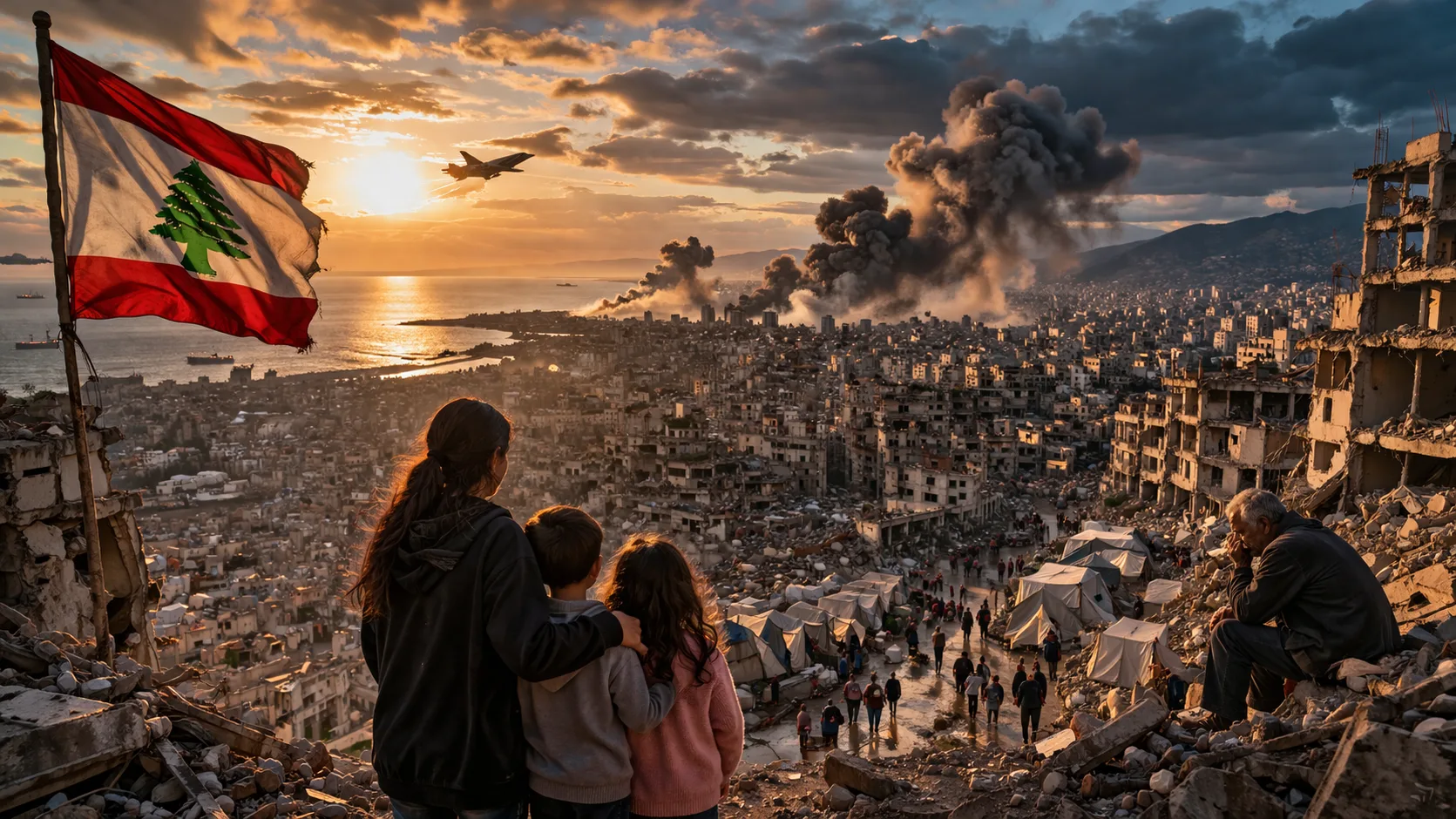
Lebanon is one of the hardest hit. Airstrikes continue across towns and villages, forcing more than a million people from their homes. Families are sleeping in schools, stadiums, and crowded shelters. The number of dead rises every day, and survival has replaced normal life. Beirut is overwhelmed. The country is carrying more than it can bear.
Hezbollah has entered the fighting in alignment with Iran’s wider confrontation, deepening Lebanon’s involvement in a war that is bigger than it. The Lebanese government has condemned its actions, but that has not stopped the consequences. Inside the country, people are divided, not just politically but emotionally, unsure of what comes next or who will pay the price. Israeli strikes meant for militants are hitting innocent civilians, leaving no one completely safe.
That reality became painfully clear in Ain Saadeh just days ago. An Israeli airstrike struck a residential apartment building, killing Pierre Mouawad, his wife Flavia, and a visitor, while injuring several others. Reports indicate the strike was aimed at a target in the building who was not present at the time, highlighting how civilians are being caught in attacks across the country.
A place that had once felt removed from the fighting suddenly became part of it. It revealed something simple and terrifying. In this war, safety is an illusion.
The impact on children is devastating. Many have lost their homes, their schools, and their security. They are growing up surrounded by fear instead of stability. This is not just damage that disappears when the war ends. It is something that stays with an entire generation.
What is happening is not contained to one region. The Strait of Hormuz, one of the most critical oil routes in the world, has become unstable. If it is disrupted, oil supplies drop and prices rise quickly. Countries far from the Middle East begin to feel the pressure. Europe faces energy risks. The global economy starts to shake.
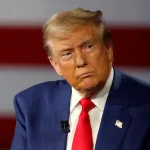
At the same time, the language of world leaders is becoming more dangerous. Donald Trump has publicly threatened to strike Iran’s power plants and bridges if the Strait of Hormuz is not reopened, warning of severe consequences and raising fears of a wider war. This kind of rhetoric does not calm a crisis. It pushes it further.
Some experts now warn that if major powers become directly involved, the risk of nuclear escalation cannot be ignored. Israel is widely believed to possess nuclear weapons, while Iran’s nuclear program remains one of the most closely watched issues in the world. Russia and China are also watching carefully, knowing that any transformation could affect global power and stability. The more actors involved, the harder it becomes to control what happens next.
There are also economic calculations behind the chaos. Rising oil prices could make production in places like Venezuela more profitable again. Some believe this could benefit the United States and strengthen its economy, but these ideas remain debated and uncertain.
What is certain is this. Lebanon is once again paying the price for conflicts that extend beyond its borders. A country already exhausted is being asked to carry even more.
For the world, this is a crisis discussed in headlines. For Lebanon, it is daily life.
And that is the real point.
This is not just a war between states or alliances. It is a moment where global decisions are crushing ordinary people. Lebanon is not simply part of the story. It is where the weight of that story is being felt the most.
What happens next will not only decide the future of this region. It will decide how much more a country can endure before it breaks.
Written by Patrick Riachi