
April 18, 2026
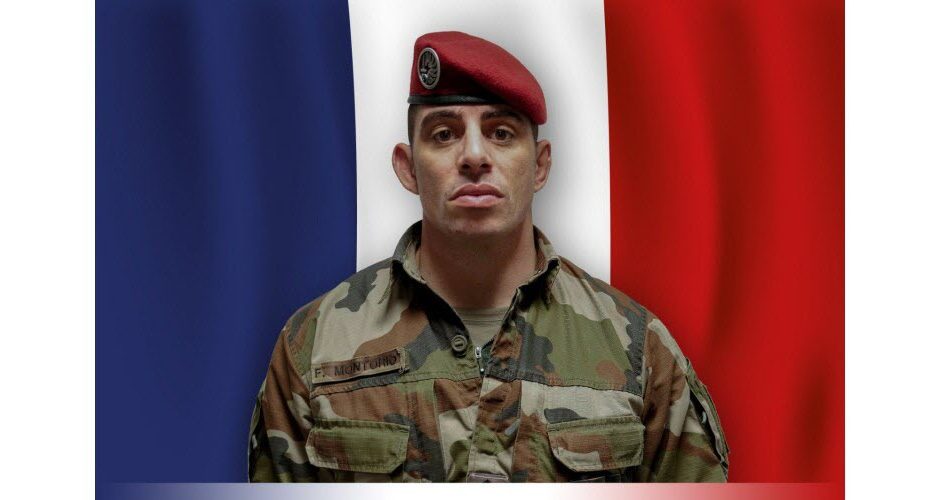
Not a number. Not a headline. A man. A son of a distant land. A son of France. Florian Montorio. He came to southern Lebanon not as a conqueror, nor as an enemy, but as a guardian of a brittle peace that we, as a multicultural Lebanese people under a divided government, have not yet learned how to protect. And so the question presses itself upon us with a weight that cannot be avoided. What have we become?
Lebanon was never meant to be a place where those who come in the name of peace fall to the violence of our divisions. This land, which once spoke to the world in the language of dignity, of coexistence, of intellectual and moral courage, now risks speaking only through the language of gunfire and suspicion. There is a betrayal in this. Not only of international trust, BUT OF OUR OWN DEEPEST IDENTITY.
We must refuse the easy path of deflection. It is too simple to point outward, to dissolve responsibility into the chaos of the region, to say that we are victims of forces greater than ourselves. There is truth in that, yes. However, it is not the whole truth. A nation that absolves itself entirely loses the very essence of its sovereignty.
Sovereignty is not a slogan. It is not shouted in speeches or written in statements. It is lived. It is proven in the ability of a people to ensure that no weapon stands above the law, that no life is taken without justice, that no guest on its soil fears abandonment.
Tonight, a French mother may be learning that her son will not return. And somewhere in southern Lebanon, families who have already known too much loss continue to live in uncertainty. These sorrows are not separate. They are bound together in a tragedy that transcends borders and exposes a single, painful reality. Human life has become too cheap, WHY?
If Lebanon is to mean anything again, it must begin here. Not in politics as performance, but in responsibility as action. Not in blame, but in truth. Not in silence, but in the courage to say that this is unacceptable, whoever is responsible, whatever the cost of saying it.
We stand at a threshold. Either we continue down the path where every incident is absorbed into the endless normalization of violence, or we choose to recover something deeper. A moral clarity. A national will. A refusal to surrender our country to the logic of permanent conflict.
Lebanon is not condemned to this fate unless we accept it. And tonight, if we still have the strength to feel, we must at least begin by mourning as human beings before anything else.